
2019 brought about a new popular term within media, known as “cancel culture”. We have discussed this term quite a bit in class and the backlash it has caused on the lives of the people who were “canceled”. Macmillan Dictionary describes cancel culture as, “the practice of no longer supporting people, especially celebrities, or products that are regarded as unacceptable or problematic”.
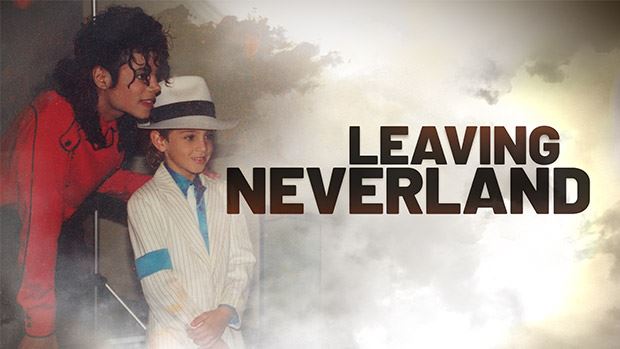
Photo courtesy of Rome Central. 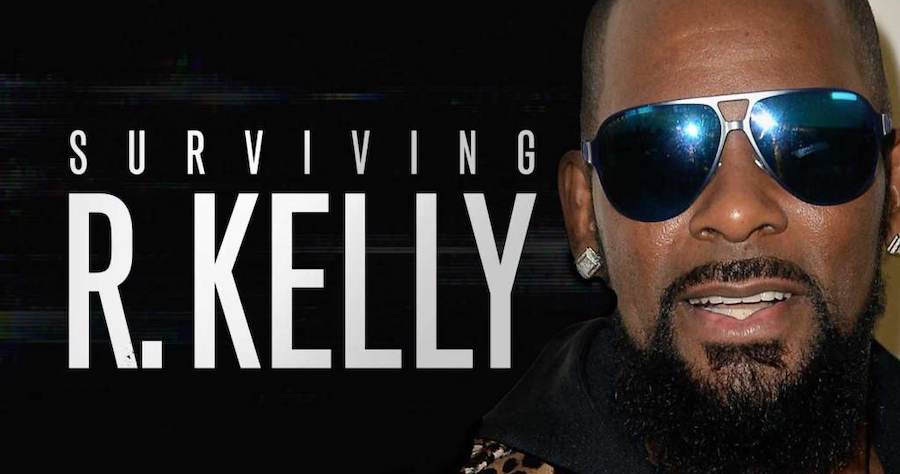
Photo courtesy of Moviefone.
For example, R. Kelly was considered canceled after the Lifetime documentary, “Surviving R. Kelly”, was released in which the singer was accused of abuse and pedophilia. The film sparked a law enforcement investigation on the singer. Even Michael Jackson, who passed away over 10 years ago, was considered canceled, earlier this year, after the release of the HBO documentary “Leaving Neverland” which made claims that he sexually abused two young boys. The film tarnished Jackson’s legacy and caused slander to his name. Now, the cancellations of these two singers are more serious as it involves major legal and ethical issues.
However, Jonah Engel Bromwich from the New York Times brings up an interesting point about cancel culture in his article, “Everyone Is Canceled”. Bromwich states that any celebrity can be canceled for anything as cancel culture continues to thrive. “If you announce that someone is canceled, they’re canceled,” said Bromwich. He goes on to explain how cancel culture comes from users of social media wanting to take control over celebrities and their content.
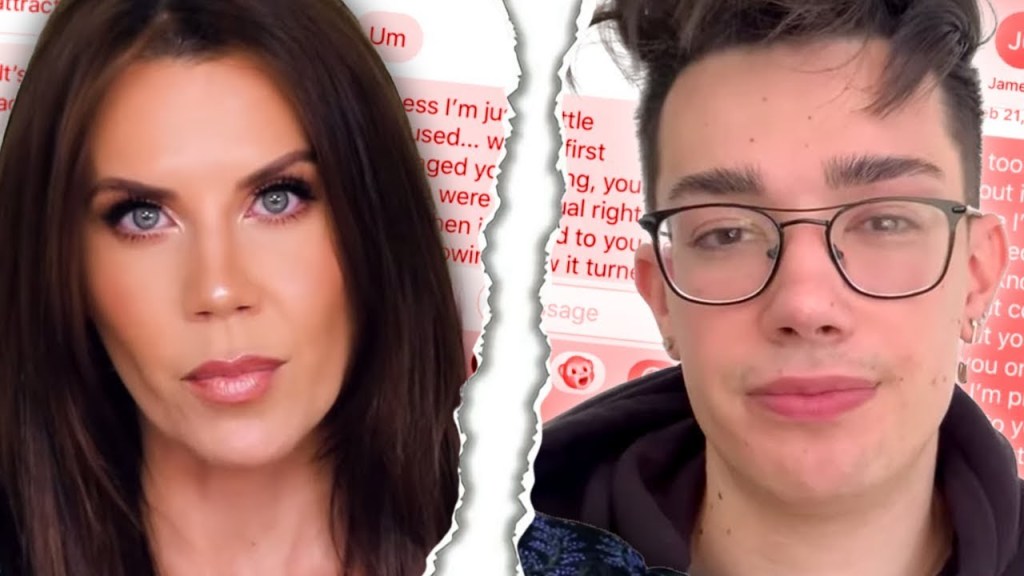
James Charles, a famous beauty blogger on Youtube, was considered canceled earlier this year after a feud between him and another beauty blogger, Tati Westbrook. Because of the feud, Charles lost millions of followers on all social media platforms in a matter of days. Charles had to take a break from social media for a while after the feud for mental health issues, exposing the dangers of being canceled.
In my opinion, cancel culture is nothing but a fad. However, the dangers it brings involving celebrities’ mental health and well-being are concerning. Even if it is just a fad, nobody should be verbally attacked and have their reputation’s tarnished for making the mistakes that ordinary people make every day. More serious cases, such as R. Kelly and Michael Jackson, should be left to the law, but celebrities who wound up in a gossip circle should be viewed as human beings, not forms of media that users can have control over.
 Writing for the Media